

Latest Articles
If you love Classy Short French Nails of a French manicure but hate the “too long, too loud” vibe that sometimes comes…
Have you ever done that thing where your nyx liquid eyeliner looks amazing… until you blink? Then suddenly one eye is sharp…
The first chilly week of September always does something funny in my pedicure chair. Clients who’ve been living in neon sandals and…
You know that moment when you finally slip on your favorite sandals—only to realize your toes look like they’ve been through a…
The moment sandal season hits, your feet suddenly become… public. Maybe you’re sliding into slides for a Target run, heading to a…
If you’ve ever sat in a nail salon chair wondering, “Is this really safe for my feet?” you’re not alone. Maybe you’ve got thick…
There’s something satisfying about freshly polished toes. But let’s be honest—between busy workweeks, errands, and everything else life throws at you, scheduling…
The Ultimate Complete Guide to Pedicure: Benefits, Techniques, Home Care, Professional Treatments, and Long-Lasting Foot Health
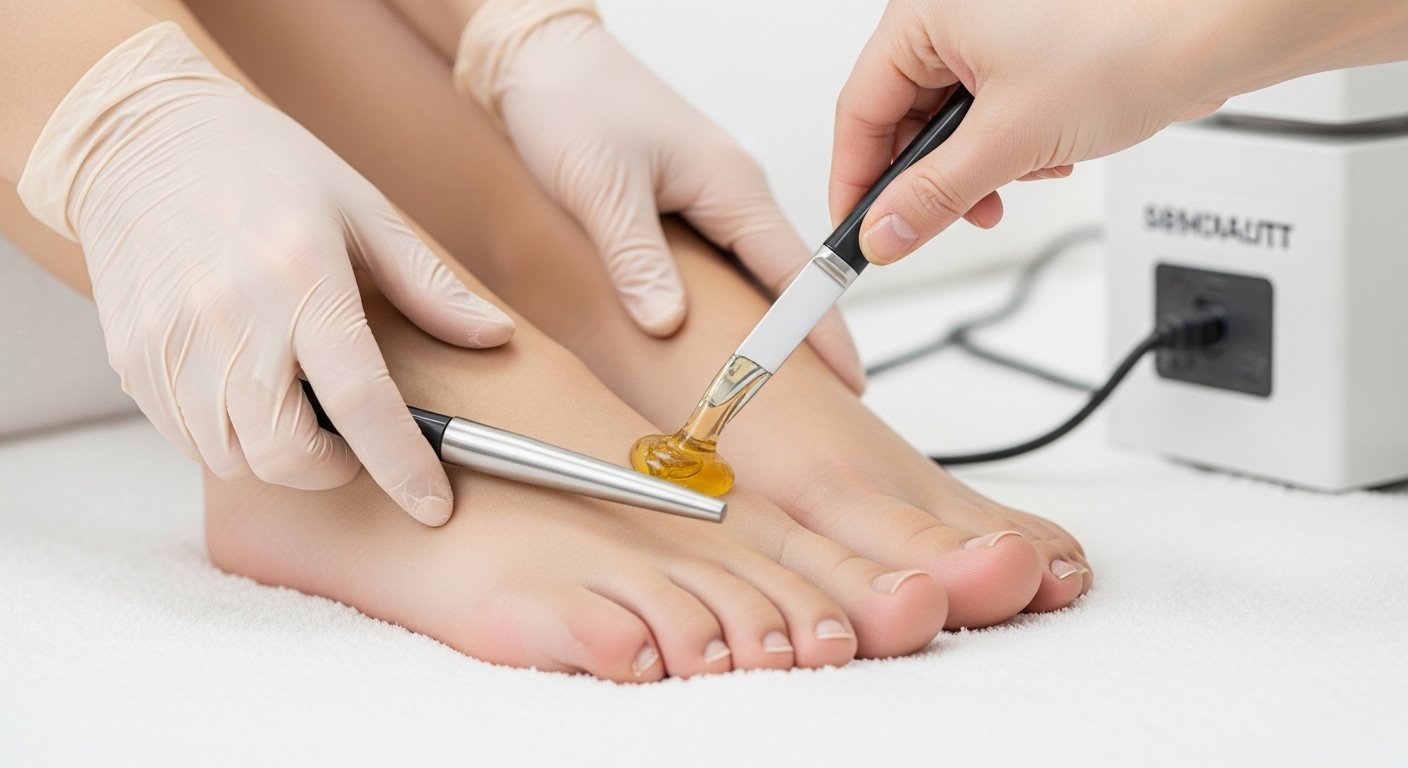
Pedicure is more than just a beauty treatment; it is a complete foot care ritual that blends hygiene, relaxation, and aesthetic enhancement. In today’s fast-paced world, where people spend long hours standing, walking, or wearing tight footwear, proper foot care often gets overlooked. That neglect can lead to dryness, cracked heels, fungal infections, and general discomfort. A well-done pedicure not only improves the appearance of the feet but also contributes significantly to overall foot health and personal confidence.
The appeal of pedicure lies in its versatility. It can be a luxurious spa experience, a quick grooming session, or a simple home routine tailored to individual needs. From removing dead skin and shaping nails to moisturizing and massaging, every step plays a role in maintaining soft, clean, and healthy feet. Over time, consistent care helps prevent common foot issues and enhances circulation, leaving the feet feeling rejuvenated and refreshed.
Understanding the True Purpose of Foot Care Treatments
Foot care has been practiced for centuries, long before modern salons and spa therapies became popular. Ancient civilizations recognized the importance of maintaining clean and healthy feet, especially for people who walked long distances daily. Over time, these practices evolved into structured grooming routines that combine hygiene with relaxation. Today, pedicure is seen as both a necessity and a form of self-care that promotes well-being.
Beyond aesthetics, the primary purpose of these treatments is to maintain foot hygiene and prevent infections. Regular cleaning, exfoliation, and nail care reduce the buildup of bacteria and fungi, which can thrive in warm and moist environments. Healthy feet are essential for overall mobility and comfort, and taking care of them contributes to a better quality of life. When done properly, pedicure becomes an essential part of personal grooming rather than just an occasional indulgence.
Benefits of Maintaining Healthy and Well-Groomed Feet
The benefits of proper foot care extend far beyond appearance. One of the most noticeable advantages is improved skin texture. Regular exfoliation removes dead skin cells, revealing smoother and softer skin underneath. This process helps prevent calluses and cracked heels, which can be painful if left untreated. Moisturizing also plays a key role in keeping the skin hydrated and supple.
Another major benefit is enhanced blood circulation. The massage component of pedicure stimulates blood flow, which can reduce swelling and fatigue in the feet. This is especially beneficial for individuals who spend long hours on their feet or suffer from poor circulation. Additionally, proper nail trimming and cleaning help prevent ingrown nails and infections, ensuring overall foot health remains intact.
Essential Tools and Products Used in Foot Care
Achieving effective results requires the right set of tools and products. Nail clippers, cuticle pushers, foot files, and buffers are commonly used to maintain nail shape and remove rough skin. Each tool serves a specific purpose and must be used carefully to avoid damage or injury. High-quality tools ensure better results and reduce the risk of infection.
Products such as scrubs, creams, and oils play an equally important role. Exfoliating scrubs help remove dead skin, while moisturizing creams keep the skin hydrated. Essential oils and lotions enhance the experience by adding soothing and relaxing properties. The choice of products can vary depending on skin type, but consistency in usage is key to maintaining long-term results.
Step-by-Step Process of a Professional Treatment
A professional pedicure follows a structured process designed to deliver maximum benefits. It typically begins with soaking the feet in warm water infused with salts or essential oils. This step softens the skin and prepares it for further treatment. The soaking phase is not only relaxing but also helps loosen dirt and dead skin cells.
After soaking, the technician trims and shapes the nails, followed by cuticle care. Exfoliation is then performed using a scrub or foot file to remove rough skin. This is followed by a soothing massage using creams or oils, which improves circulation and relaxes the muscles. Finally, nail polish is applied if desired, completing the process and leaving the feet looking polished and refreshed.
Home Care Techniques for Maintaining Foot Health
Maintaining foot health at home is both simple and effective when done regularly. A basic routine includes soaking the feet in warm water, exfoliating with a scrub, and applying a moisturizer. These steps help keep the skin soft and prevent dryness. Regular nail trimming and cleaning are also essential to avoid infections and maintain hygiene.
Consistency is the key to successful home care. Even a short routine performed weekly can make a significant difference in the condition of the feet. Using natural ingredients like salt, lemon, and oils can enhance the effectiveness of the routine. With proper care, achieving salon-like results at home becomes entirely possible.
Common Mistakes to Avoid in Foot Grooming
Many people unknowingly make mistakes that can harm their feet instead of helping them. One common error is over-exfoliation, which can lead to irritation and sensitivity. While removing dead skin is important, excessive scrubbing can damage the healthy layers underneath. It is essential to strike a balance and use gentle techniques.
Another mistake is neglecting hygiene. Using unclean tools or skipping proper cleaning steps can lead to infections. Sharing tools with others without proper sterilization increases the risk of fungal or bacterial issues. Paying attention to cleanliness and using personal tools can help avoid these problems and ensure safe grooming practices.
Types of Treatments Available in Modern Salons
Modern salons offer a wide range of treatments tailored to different needs and preferences. Classic pedicure focuses on basic cleaning and grooming, while spa treatments include additional steps like masks and extended massages. Gel and acrylic options provide long-lasting nail finishes that resist chipping and maintain a polished look for weeks.
Specialized treatments such as paraffin wax therapy are designed to provide deep hydration. This involves dipping the feet in warm wax, which helps lock in moisture and soften the skin. Each type of treatment offers unique benefits, allowing individuals to choose according to their preferences and requirements.
Comparison of Different Treatment Types
| Type of Treatment | Key Features | Best For | Duration of Results |
|---|---|---|---|
| Classic | Basic cleaning and grooming | Regular maintenance | 1–2 weeks |
| Spa | Includes massage and masks | Relaxation and hydration | 2–3 weeks |
| Gel | Long-lasting polish | Busy lifestyles | 3–4 weeks |
| Paraffin | Deep moisturizing | Dry and cracked skin | 2–3 weeks |
This table highlights the differences between popular options, making it easier to choose the most suitable treatment based on individual needs.
The Role of Hygiene in Preventing Foot Problems
Hygiene plays a critical role in maintaining healthy feet. Regular washing and drying help prevent the growth of bacteria and fungi. Wearing clean socks and breathable footwear also contributes to better hygiene by reducing moisture buildup. These simple habits can significantly reduce the risk of infections.
Professional treatments must also adhere to strict hygiene standards. Sterilized tools, clean workstations, and proper procedures ensure safety and effectiveness. As one expert once said, “Clean tools are the foundation of safe and effective foot care.” This principle emphasizes the importance of hygiene in every aspect of foot grooming.
Importance of Regular Maintenance for Long-Term Results
Consistency in foot care leads to long-term benefits that go beyond temporary improvements. Regular routines help maintain smooth skin, healthy nails, and overall comfort. Neglecting foot care can result in issues that require more time and effort to resolve. Maintaining a schedule ensures that problems are addressed before they become serious.
Over time, regular pedicure sessions contribute to improved confidence and well-being. Clean and well-groomed feet create a positive impression and enhance personal hygiene. This ongoing care becomes a valuable habit that supports both physical and mental health.
Natural Remedies and DIY Solutions for Foot Care
Natural remedies offer an effective and affordable way to maintain foot health. Ingredients like salt, baking soda, and essential oils can be used to create soothing soaks and scrubs. Lemon juice acts as a natural cleanser, while coconut oil provides deep hydration. These remedies are easy to prepare and deliver noticeable results.
DIY solutions also allow for customization based on individual needs. For example, adding lavender oil can create a calming effect, while peppermint oil provides a refreshing sensation. These natural treatments enhance the overall experience and make foot care more enjoyable.
Seasonal Foot Care Tips for Different Weather Conditions
Foot care needs can vary depending on the season. During summer, open footwear exposes the feet to dust and sun, leading to dryness and tanning. Regular cleaning and moisturizing help maintain healthy skin. Sunscreen can also be applied to protect the feet from harmful UV rays.
In winter, the focus shifts to hydration. Cold weather can cause dryness and cracking, making it essential to use rich creams and oils. Wearing warm socks and avoiding prolonged exposure to cold air can help maintain moisture levels. Adapting the routine according to the season ensures consistent results throughout the year.
The Psychological and Relaxation Benefits of Foot Treatments
Foot care is not just about physical health; it also has psychological benefits. The soothing process of soaking, massaging, and moisturizing creates a sense of relaxation and stress relief. This calming effect can improve mood and reduce anxiety, making it a valuable self-care practice.
Many people find these treatments therapeutic, as they provide a break from daily routines. The combination of warmth, gentle pressure, and pleasant aromas enhances the overall experience. As one wellness expert noted, “Relaxation begins from the ground up, starting with the feet.” This highlights the connection between foot care and mental well-being.
Choosing the Right Products for Optimal Results
Selecting the right products is essential for achieving the best results. High-quality scrubs, creams, and tools ensure effective and safe treatment. Products should be chosen based on skin type and specific needs, such as hydration or exfoliation. Reading labels and understanding ingredients can help in making informed decisions.
Consistency in using the right products leads to noticeable improvements over time. Investing in good-quality items may seem costly initially, but it provides long-term benefits and reduces the need for frequent treatments. Proper selection enhances the effectiveness of the entire routine.
Professional Tips for Maintaining Soft and Healthy Feet
Experts recommend maintaining a simple yet consistent routine for the best results. Regular exfoliation, moisturizing, and nail care form the foundation of healthy feet. Avoiding harsh chemicals and using gentle products can prevent irritation and damage. Paying attention to small details, such as drying between the toes, can make a significant difference.
Another important tip is to stay hydrated and maintain a balanced diet. Healthy skin reflects overall health, and proper nutrition supports skin repair and hydration. Combining external care with internal health practices ensures comprehensive results.
Conclusion
Pedicure is a powerful combination of hygiene, relaxation, and aesthetic enhancement that plays a crucial role in overall well-being. From improving skin texture and circulation to preventing infections and promoting relaxation, its benefits are both immediate and long-lasting. Whether performed at home or in a professional setting, consistent care ensures that the feet remain healthy, comfortable, and visually appealing.
Adopting a regular routine, using the right tools and products, and maintaining proper hygiene can transform foot care into an effortless habit. Over time, this commitment leads to improved confidence and a greater sense of self-care. Healthy feet are the foundation of an active and comfortable life, making this practice an essential part of personal grooming.
FAQ Section
What is the ideal frequency for a pedicure?
The ideal frequency depends on individual needs, but most experts recommend getting a pedicure every two to four weeks. Regular sessions help maintain hygiene, prevent buildup of dead skin, and keep nails properly shaped. Those with specific foot conditions may require more frequent care.
Can pedicure be done at home effectively?
Yes, a pedicure can be done at home with the right tools and techniques. A simple routine involving soaking, exfoliating, moisturizing, and nail care can deliver excellent results. Consistency and proper hygiene are essential for achieving salon-like outcomes.
Is pedicure safe for sensitive skin?
Pedicure is generally safe for sensitive skin when gentle products and techniques are used. Avoiding harsh scrubs and chemicals helps prevent irritation. It is important to choose products specifically designed for sensitive skin to ensure comfort and safety.
What are the main benefits of pedicure for foot health?
Pedicure improves foot hygiene, removes dead skin, enhances circulation, and prevents infections. It also helps maintain soft skin and healthy nails, contributing to overall comfort and well-being. Regular care ensures long-term benefits.
How can I make my pedicure last longer?
To make a pedicure last longer, keep the feet clean and moisturized regularly. Avoid exposure to harsh conditions and wear comfortable footwear. Using quality products and maintaining a routine helps preserve the results for an extended period.