

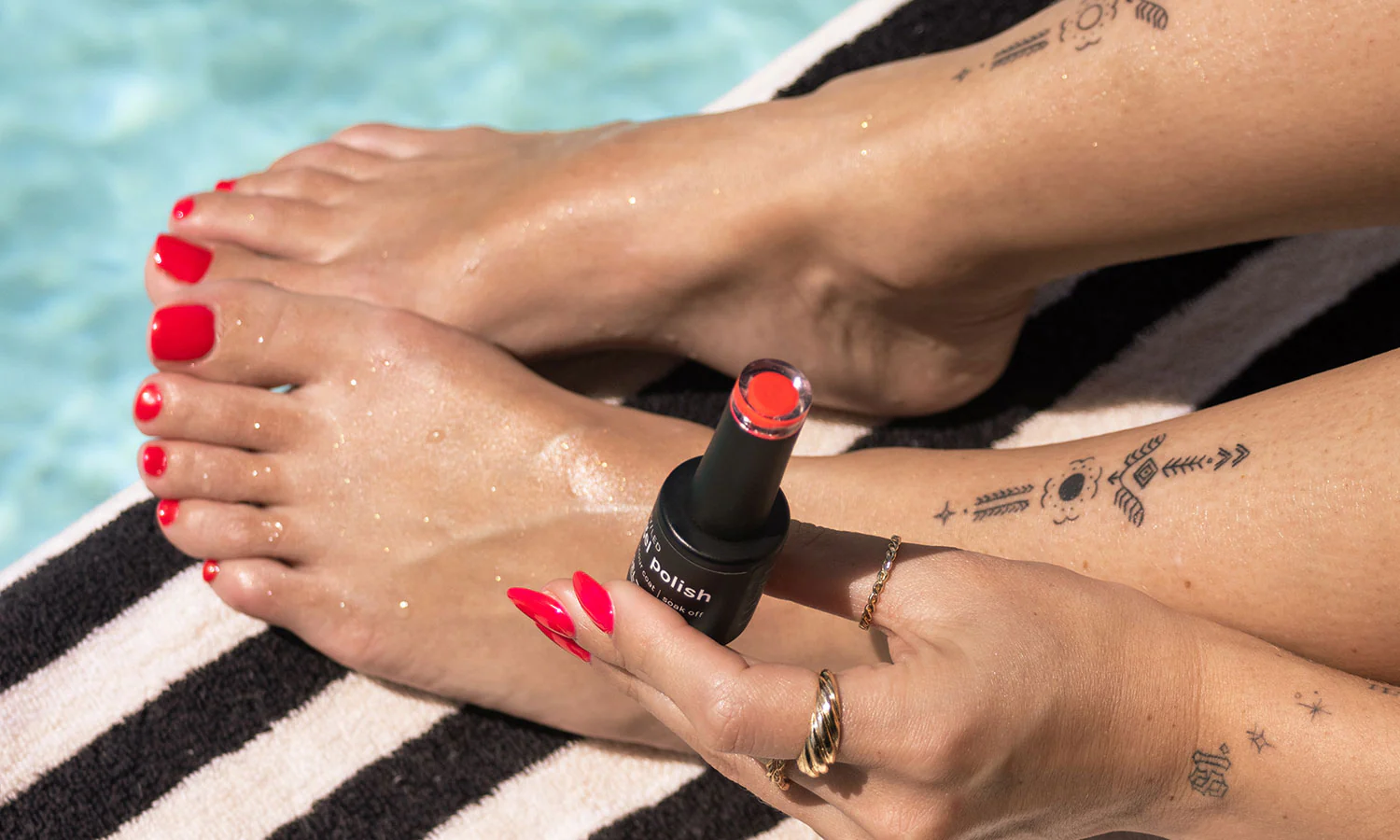
You know that moment when you finally slip on your favorite sandals—only to realize your toes look like they’ve been through a tiny apocalypse? I still remember a client (I’ll call her “Maya”) who came in the day before a beach trip, bright sundress on, suitcase in the car, and pure panic in her eyes. Her polish was chipped in a way that somehow looked intentional and accidental at the same time, and one big toenail had that sad, dull scuff that screams “I tried to fix it at midnight.” She sat down and said, “Please tell me there’s a way my feet can look good for more than, like… two days.”
That’s usually where the gel pedicure conversation begins—when you’re tired of the quick chip, the smudges you swear appeared out of nowhere, and the constant redoing. But I’ll be honest: what keeps people loyal to a gel pedicure isn’t just the shine or the longevity. It’s the relief. It’s waking up, looking down, and thinking, “Oh good, at least my toes have their life together.”
What a gel pedicure really is (and what it isn’t)
A gel pedicure is basically a polish system that cures (hardens) under a UV or LED lamp, creating a durable, glossy coating that resists chipping far better than traditional air-dry polish. It’s not acrylic on your toes, and it’s not the same as a hard builder gel overlay (though some people do add structure—more on that later). Think of it like a raincoat for your polish: thin, smooth, and sealed, so everyday life doesn’t soak in and ruin the finish.
Here’s a myth I love busting gently: gel doesn’t “suffocate” your nails. Nails are made of keratinized cells—more like hair than skin—and they don’t breathe the way people imagine. What nails do need is protection from over-drying, over-buffing, and constant trauma. In my experience, the problem isn’t that gel is inherently harmful; it’s that rushed prep, heavy-handed removal, and aggressive e-filing can make nails feel weak afterward.
Another misconception? “Gel ruins nails, period.” I’ve seen nails look worse after gel, yes, but I’ve also seen nails look stronger because the person stopped picking, stopped scraping off polish, and stopped exposing the nail plate to repeated acetone baths every few days. The gel pedicure isn’t the villain—technique is.
The prep that makes or breaks your wear time
If I could sit every client down and make them watch one part of the service like it’s a cooking show, it would be prep. Prep is where your gel pedicure either becomes a two-to-three-week dream or starts lifting like a sticker by day five. You can have the steadiest hands in the world, but if the nail plate has residue, moisture, or invisible oils, gel won’t bond well. It’s like trying to paint a wall that still has soap film on it.
I like feet to be clean but not waterlogged, and that’s a big difference people don’t talk about. If you soak too long—say 10 to 15 minutes—your toenails can absorb water and swell slightly. Then, as they dry over the next several hours, they shrink back, and that tiny shift can encourage early lifting at the edges. When I do soak, I keep it short, around 3 to 5 minutes, in comfortably warm water (about 38–40°C), just enough to soften skin without saturating the nail.
Here’s what works in real life: I do callus care and shaping first, then I make sure the nail is fully dry before gel steps begin. I’ll even pause for a minute or two and fan the toes lightly if the room’s humid. That little pause feels “extra,” but it’s often the difference between polish that clings and polish that peels.
Cuticles: the tiny rim that decides everything
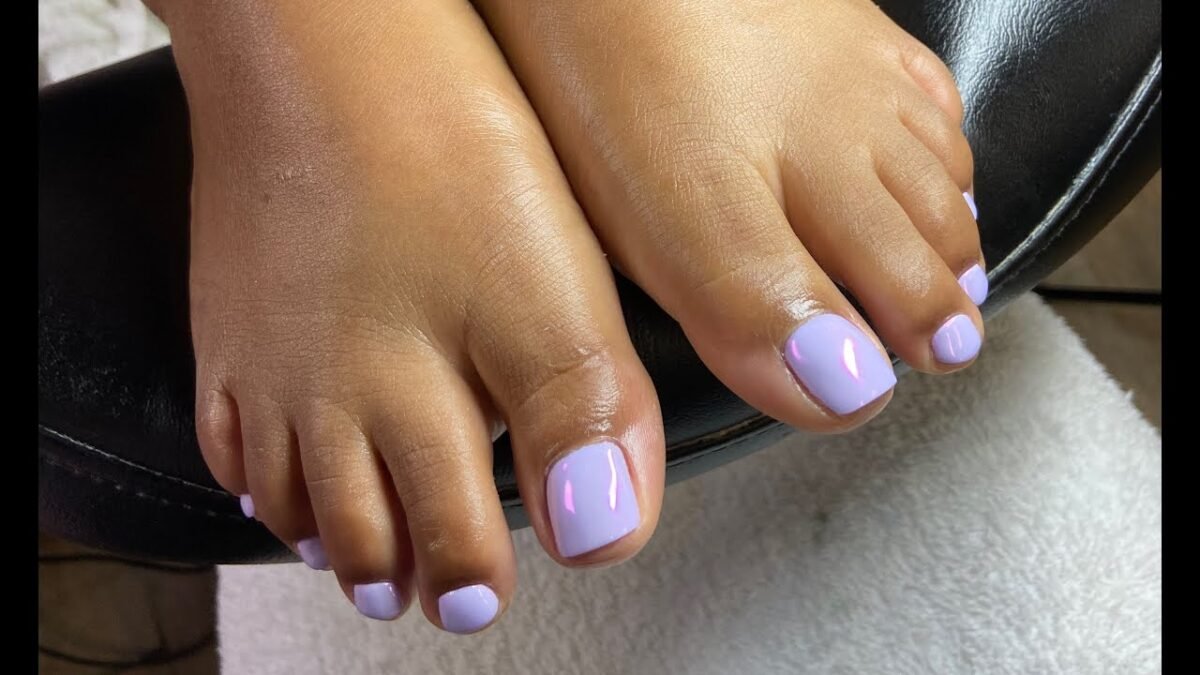
Cuticles are small, sneaky, and powerful. That thin, nearly invisible tissue that creeps onto the nail plate is one of the top reasons a gel pedicure lifts early. And I get it—most people think cuticle work is just about aesthetics. But it’s actually about adhesion. Gel wants a clean, matte, oil-free surface, and cuticle tissue is basically a built-in barrier.
I learned this the hard way early in my career. I had a phase where I thought “gentle” meant barely touching the cuticle area, and I was confused when clients came back saying their gel popped off in sheets. The polish looked beautiful when they left—mirror shine, perfect color—but the foundation wasn’t sound. Once I started treating cuticle work like the key structural step (not the optional tidying step), my retention changed dramatically.
My “dry cuticle” rule (and why it matters)
I’ve found that dry cuticle work is often safer and cleaner for gel than heavy creams or oily cuticle removers right before polishing. Oils are wonderful for the skin, but terrible right before adhesion steps. If I use a cuticle softener, I’m careful to keep it controlled and then cleanse thoroughly afterward, because leftover product can behave like a lubricant under gel.
The goal isn’t to carve out a deep trench (please don’t). The goal is to gently push back, lift the non-living tissue off the nail plate, and remove only what’s truly dead and detached. When that rim is clean, you can apply gel close to the cuticle without flooding, and it grows out looking neat instead of catching and lifting.
Painting with gel: thin layers, steady nerves, and a little physics
Gel polish is unforgiving about thickness. Traditional polish can sometimes “self-level” and still dry okay, but gel that’s applied too thick tends to wrinkle, cure unevenly, or lift faster because the top cures while the underneath stays soft. If you’ve ever seen gel look perfect leaving the salon and then appear slightly rippled later, thickness is often the culprit.
When I apply color in a gel pedicure, I keep layers almost comically thin. I’ll wipe most of the product off the brush, then “float” the remaining gel across the nail in smooth strokes. It feels like spreading a thin layer of honey on glass—controlled, glossy, and light. The nail should look evenly coated, not padded.
The free edge secret most people skip
One insider habit I rarely see outside experienced hands: capping the free edge properly. Toenails might not have much length, but they still have an edge that takes impact from socks, shoes, and sand. I gently run the brush along the tip of the nail with a whisper of product—nothing bulky. The “why” is simple: it seals the most vulnerable edge so water and friction don’t start a lifting chain reaction.
Another pro move is leaving a hairline of space around the cuticle and sidewalls, then nudging the gel close without touching skin. Gel on skin is a lifting invitation, because skin sheds oils and cells constantly. If you’ve ever wondered why one toe always lifts first (it’s usually the big toe), it’s often because that area got flooded, then cured onto skin like a tiny bridge.
Curing under LED/UV: why timing and heat spikes matter
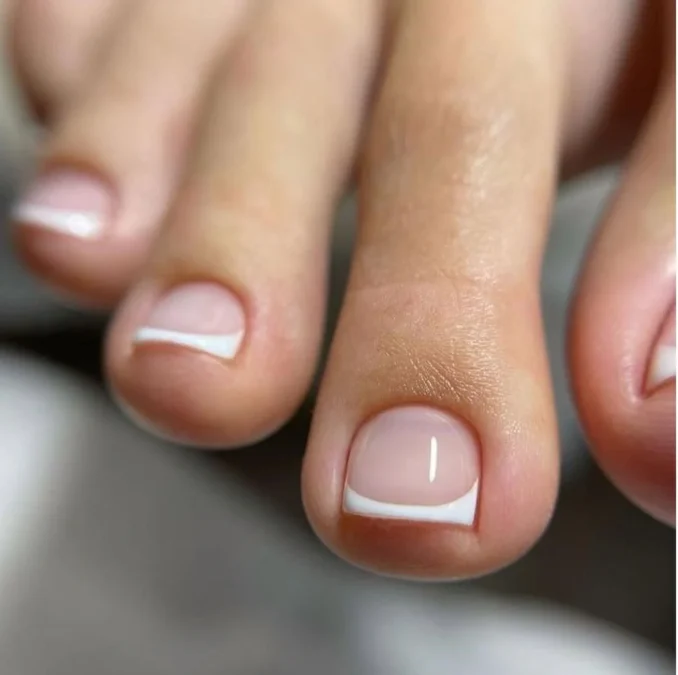
Curing is where chemistry becomes reality. Lamps aren’t all identical, and gel formulas don’t all cure at the same speed. In most professional settings, a thin gel layer cures in roughly 30–60 seconds under LED, while UV systems may take longer. That’s a general range, not a promise, because pigment density matters too—very opaque colors often need a little more respect and patience.
Ever felt that sudden “hot” zap under the lamp? That’s a heat spike, and it can happen when product is too thick, the lamp is very strong, or the nail plate is sensitive. I’ve had clients yank their foot out like the lamp bit them (totally understandable). When that happens, I don’t power through; I adjust. Heat spikes are your body’s way of saying, “Let’s not.”
How I prevent that uncomfortable burn
I’ve found that thinner layers are the best prevention, period. If someone is especially sensitive, I’ll do a quick partial cure—just a few seconds—then let them rest, then finish the cure. It’s like easing into cold water instead of jumping in. The polish still cures beautifully, but the experience is calmer, and clients stop bracing themselves every time the lamp turns on.
Also, keep your toes steady and flat in the lamp. If they’re angled, the light may not hit the sidewalls properly, and you can end up with cure issues on the edges that later look like peeling. It’s a small positioning detail, but it matters more than people think.
Common gel pedicure problems and my quick fixes
Let’s talk about the stuff that makes you sigh: lifting corners, dull topcoat, chips that appear out of nowhere, or that one toe that never behaves. Lifting is usually either moisture/oil left on the nail, gel touching skin, or layers being too thick. Sometimes it’s also footwear—tight shoes that rub the big toe can act like sandpaper day after day.
Dullness often comes from the final wipe if your topcoat has a tacky layer, or from tiny micro-scratches caused by textured socks or gritty flip-flops. If your gel pedicure looks less shiny after a few days, it doesn’t necessarily mean it’s “failing.” It might just need a gentle cleanse and a little oil around the skin to bring back that fresh look. And if the topcoat feels rough at the edge, that can be a sign the free edge wasn’t sealed well, or the nail was still slightly damp at application time.
Here’s a problem I see a lot in summer: sand + sunscreen + heat. Sand acts like a file, sunscreen leaves a film, and heat increases sweat, especially in closed shoes. If you’re wearing sneakers in hot weather, your gel can last beautifully, but only if it was applied with meticulous prep and sealed edges. Otherwise, the combination of friction and moisture can start tiny separations at the corners.
Removal without regret: how to take it off without thinning your nails
If there’s one line I wish I could tattoo (gently) into the world, it’s this: don’t peel. Peeling off gel feels satisfying in the moment, like removing a sticker, but it often pulls up layers of your nail plate with it. Then your nails feel tender, look white and flaky, and suddenly gel gets blamed for what your fingers did in five impatient minutes. I say that with love—I’ve done it to myself once, and I never forgot how awful my nails felt afterward.
For safe removal, I prefer controlled soaking with acetone and patience. The smell is strong and unmistakable, and it can feel drying, so I keep the skin protected with a thicker barrier balm around the toe (not on the nail). Then I use a small piece of cotton saturated with acetone placed directly on the nail, wrapped snugly with foil or a clip, and I wait around 10 to 12 minutes before checking. When gel is ready, it looks lifted and slightly “bubbled,” and it should slide off with gentle pressure from a wooden stick or a soft pusher—no digging.
Wraps vs e-filing: my honest take
E-filing can be safe in trained hands, but it’s also where I’ve seen the most damage when people rush. Toenails don’t need aggressive thinning, and the nail plate is not a countertop you’re sanding down. If you do file, you’re ideally just breaking the top seal so acetone can penetrate, not grinding away layers of natural nail. In my experience, the best results come from a light surface rough-up with a fine grit file, then soaking, then gentle removal.
After removal, I like to let nails rest for a day if possible before reapplying gel, especially if the person’s nails look dry. Not because nails need to “breathe,” but because skin and nail chemistry stabilizes when you give it a beat. If you’re someone who always redoes immediately, you can still do it—just be extra careful with prep and hydration afterward.
Seasonal tweaks: summer sweat, winter cracks, and everything between
Summer is the season when everyone wants a gel pedicure, and for good reason. Sandals, pool days, weddings, vacations—your feet are basically on stage. But summer also brings sweat, swelling, and more foot washing, which means more moisture and more friction. I’ll often shorten the nail slightly more in summer, because long toenails plus tight sandals can create pressure points that lead to lifting or even bruising.
Winter is a different beast. The skin gets dry and tight, heels can crack, and indoor heat makes everything feel a little parched. This is when I focus more on smoothing calluses gradually rather than trying to remove everything in one go. Over-filing a winter heel can backfire because the skin responds by thickening faster, like it’s trying to protect itself. Slow and steady wins, and your gel stays prettier because the skin around it looks healthier.
Spring and fall are my “maintenance seasons.” If you keep a consistent schedule during these quieter months, your gel pedicure will look better in summer because your cuticles are under control and your nails are shaped well. It’s like keeping your kitchen clean most days so hosting doesn’t become a full-blown crisis.
At-home vs salon: what pros do differently (and how you can borrow it)
You can absolutely do gel at home, and I’m not here to gatekeep pretty toes. But professionals tend to obsess over tiny details that most people don’t realize matter. We watch the angle of the brush, the pressure of the file, the way product moves toward the sidewall, and how quickly the skin re-oils after cleansing. Those micro-adjustments add up to longevity.
One pro habit you can borrow immediately is timing your final cleanse and application. If you cleanse the nail and then wander off to answer texts for five minutes, oils and moisture can start to return to the surface. I try to keep the “cleanse-to-base” window tight—think under a minute per foot. Another detail is tool texture: a good buffer should feel fine and even, not gritty like sand. Too coarse, and you create deep grooves that can weaken the nail and make gel look uneven.
Also, be mindful of product migration. Gel is self-leveling, which is lovely until it slides into the sidewalls while you’re focusing on the next toe. I’ve found that doing one foot at a time, and briefly curing after each color layer on the big toes first, prevents that slow creeping flood. It’s not about speed; it’s about control.
Your next appointment: a simple plan for glossy, healthy toes
If you want your gel pedicure to last and still keep your nails feeling strong, focus on three things: clean, dry prep; thin, controlled application; and gentle removal when it’s time. Ask your technician (or remind yourself, if you’re doing it at home) to avoid soaking too long, because waterlogged nails are sneaky. Pay attention to whether gel touches your skin, because that’s one of the fastest routes to lifting. And when you’re tempted to pick at a lifted corner, pause—there’s almost always a better fix than turning it into a tear.
I always tell clients to treat their toes like they’re wearing a tiny tailored suit: it’ll look incredible if you don’t drag it through a hedge. Dry your feet well after showers, especially around the toes, and use oil around the nail skin regularly (not right before gel application, but in daily life). If you wear tight shoes often, consider shorter nail length and extra careful edge sealing, because friction is real. And if something feels off—pain, redness, or a nail that looks discolored—skip cosmetic work and get it assessed, because pretty shouldn’t come at the expense of healthy.
A gel pedicure, done thoughtfully, is one of those small luxuries that quietly changes your week. You catch a glimpse of your toes in the morning, you feel a little more put together, and you step out the door with one less thing to worry about. And honestly? We could all use more of that kind of ease.
