

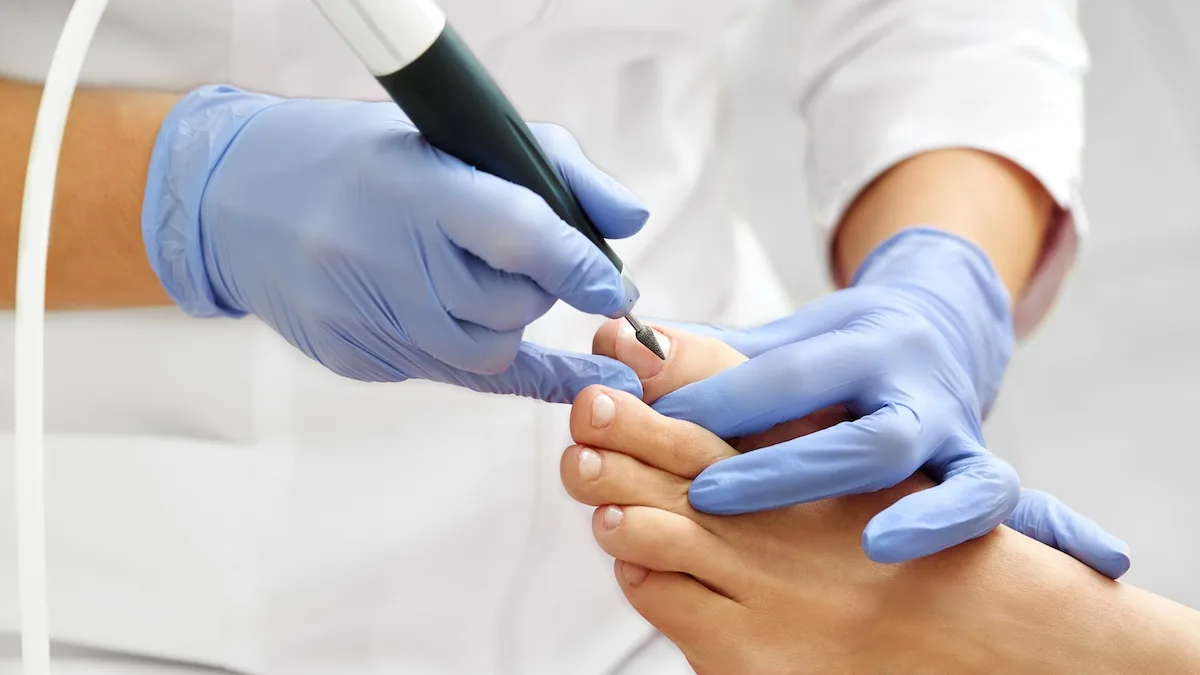
If you’ve ever sat in a nail salon chair wondering, “Is this really safe for my feet?” you’re not alone. Maybe you’ve got thick toenails you’re embarrassed about, a stubborn callus that keeps cracking, or you’re dealing with diabetes and you’ve been told to be extra careful with foot care.
Here’s the good news: you don’t have to choose between ignoring your feet and rolling the dice with a standard salon pedicure. A medical pedicure is designed for people who want cleaner, safer, more targeted foot care—without the “pretty polish first, health later” approach.
Let’s break down what it is, who it’s for, what happens during an appointment, and how to find a provider you can actually trust.
What Is a Medical Pedicure (and How Is It Different)?
A medical pedicure is a foot-care service focused on foot health first—think problem-solving, sanitation, and gentle treatment of common foot issues. It’s often performed by a podiatrist, a licensed medical professional, or a specially trained foot-care provider working in a clinical setting.
Unlike a typical spa pedicure, the goal isn’t mainly cosmetic. It’s to safely address concerns like:
- Thick or difficult-to-trim toenails
- Calluses and corns
- Cracked heels
- Early signs of ingrown toenail issues
- Dry, sensitive skin that reacts easily
- Toenails that look unhealthy or discolored (sometimes related to foot fungus)
You can still leave with nicer-looking feet, but the process is built around safety and prevention.
Who Should Consider a Medical Pedicure?
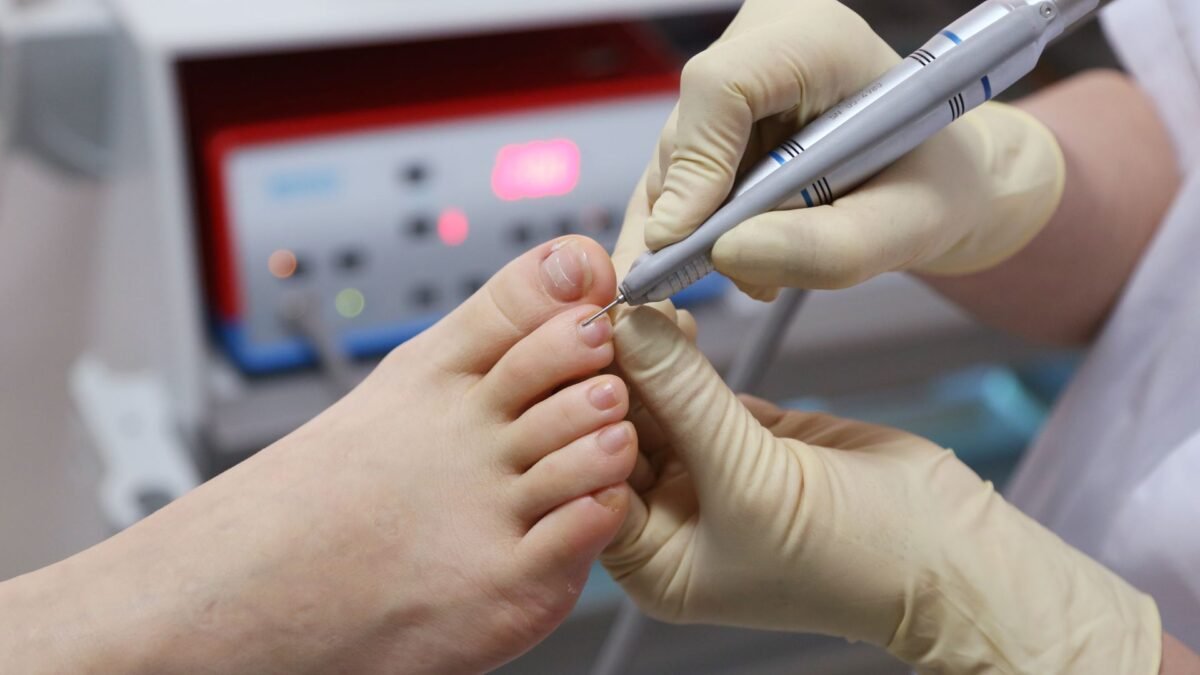
A medical pedicure can be helpful for almost anyone—but it’s especially useful if regular pedicures make you nervous, or if you’ve had a bad experience (cuts, infections, pain afterward).
It’s a smart choice if you:
- Have diabetes and need careful diabetic foot care
- Have poor circulation, neuropathy, or reduced sensation in your feet
- Are prone to ingrown nails or nail infections
- Have thick, hard-to-manage nails (including age-related changes)
- Have recurring calluses or painful corns
- Have skin that cracks, splits, or bleeds easily
- Are immunocompromised and want a more controlled environment
Real-life example:
A lot of my readers describe the same cycle: they get a salon pedicure, their calluses are shaved aggressively, their feet feel smooth for a week… and then the callus returns thicker and more painful. A medical pedicure tends to take a slower, healthier approach—reducing buildup without triggering that rebound effect as intensely.
What Happens During a Medical Pedicure?
Every provider has their own flow, but in general, you can expect a more “assessment + care plan” vibe than a typical nail salon experience.
1) A quick foot check
You’ll usually start with questions like:
- Any pain when walking?
- Any history of ingrown nails?
- Diabetes or circulation issues?
- Recent changes in nail color, thickness, or smell?
They may look closely at pressure points, nail shape, and skin condition to decide what’s safe and appropriate.
2) Nail trimming and detailed nail care
This is where medical pedicures really shine—especially for people with thick nails or nails that curve in. The provider may:
- Trim nails conservatively to reduce ingrown risk
- Thin thick nails (often called debridement) to reduce pressure in shoes
- Smooth rough edges so they don’t snag or grow into the skin
If you’re dealing with an ingrown toenail, they should be careful not to dig aggressively. A quality provider knows the difference between safe trimming and creating a bigger problem.
3) Callus removal (done the safer way)
Callus removal is typically more controlled than in a salon. Instead of using harsh blades quickly, many medical providers use techniques that reduce thickness gradually and safely.
This is especially important if you:
- Have diabetes
- Have thin skin
- Don’t feel your feet well
- Heal slowly
4) Skin and cuticle care—without risky cutting
Cuticles are there for a reason: they help protect against infection. In many medical settings, cuticle work is conservative—more about gentle cleanup than deep cutting.
5) Aftercare recommendations that actually help
A good appointment ends with guidance, not just “See you next month.” You might get tips like:
- Which moisturizer helps cracked heels
- How often to file safely at home (if at all)
- Shoe or sock changes that reduce pressure
- When it’s time to see a podiatrist for a medical issue
Why People Prefer Medical Pedicures: The Safety Factor
Let’s be honest: most people start searching “medical pedicure near me” because something feels off with standard salon pedicures.
Here’s what typically makes a medical pedicure feel safer:
- Stricter sanitation practices (often medical-grade sterilization)
- More caution around skin cuts and bleeding
- Better handling of thick nails, sensitive skin, and complex feet
- A focus on prevention, not just appearance
That said, not every place that uses the term “medical pedicure” delivers the same quality. Which brings us to the most important part…
How to Choose a Medical Pedicure Provider (Without Guessing)
This is where people get tripped up. Some salons use the word “medical” as a marketing term. You want to know what you’re actually getting.
Ask these simple questions when you call
You don’t need to interrogate anyone—just get clarity.
- Who performs the service? (podiatrist, nurse, trained foot-care specialist?)
- How are tools sterilized? (Look for answers like autoclave sterilization and sealed instruments.)
- Are single-use items truly single-use? (files, buffers, sanding bands, etc.)
- Do you treat high-risk clients (diabetes, neuropathy)?
- What happens if you suspect fungus or infection? (They should have a clear, responsible protocol.)
Red flags to watch for
- They can’t explain sanitation beyond “We clean everything.”
- They promise to “cure” fungal nails on the spot.
- They’re willing to cut deeply into an ingrown nail without discussing symptoms.
- The space looks like a standard salon setup with no clear clinical hygiene practices.
Can a Medical Pedicure Treat Toenail Fungus?
This is a big one. A medical pedicure can improve the appearance and comfort of nails affected by fungus—mainly by safely thinning and trimming thick nails.
But it’s not the same thing as medical treatment.
If you suspect foot fungus (thick yellow nails, crumbly texture, nail lifting, or persistent odor), a podiatrist can help confirm what it is and discuss actual treatment options. Sometimes what looks like fungus is something else entirely, so it’s worth checking instead of guessing.
What to Do at Home Between Appointments (Practical, Not Overwhelming)
A medical pedicure helps most when you maintain the basics at home—without trying to DIY anything risky.
Here are realistic habits that protect your foot health:
- Moisturize nightly, but avoid slathering cream between toes (too much moisture there can encourage fungal issues).
- Trim nails straight across if you can do it comfortably. If you can’t see well or reach safely, don’t force it.
- Don’t dig into corners to “fix” an ingrown nail—this often makes it worse.
- Use a pumice stone lightly after a shower if recommended, but skip aggressive scraping.
- Wear shoes that don’t squeeze your toes. Pressure makes nail problems and calluses worse.
Small tip that makes a big difference:
If cracked heels are your issue, consistency beats intensity. A thick heel balm at night plus socks (a few nights a week) usually helps more than occasional aggressive filing.
How Often Should You Get a Medical Pedicure?
It depends on your feet and your goals. Some people schedule regular visits because they can’t safely trim their own nails. Others go seasonally (hello, sandal weather) or whenever pain flares up.
If you have diabetes, neuropathy, or recurring ingrown toenail issues, your provider may recommend a steady schedule to prevent problems before they start.
Is a Medical Pedicure Covered by Insurance?
Sometimes—if it’s medically necessary and performed in a medical setting, especially for conditions related to diabetes, circulation issues, or painful nail disorders. But coverage varies widely.
If cost is a concern, call ahead and ask:
- Is this billed as a medical visit or a self-pay service?
- If it’s medical, do you accept my insurance?
- What diagnosis codes typically qualify (if applicable)?
No one loves surprise bills, and a reputable office won’t act offended by basic questions.
FAQ: Quick Answers About Medical Pedicures
1) Can I get a medical pedicure if I have diabetes?
Yes—many people seek a medical pedicure specifically for diabetic foot care. Just make sure the provider is experienced with high-risk feet.
2) Will a medical pedicure hurt?
It shouldn’t. The whole point is careful, controlled care. If you’re in pain during the service, speak up—pain is usually a sign to adjust the approach.
3) Should I skip nail polish if I’m worried about fungus?
It depends. Polish can hide changes you should be watching. If fungus is suspected, it’s often best to leave nails bare until you’ve gotten proper guidance.
The Bottom Line
A medical pedicure is one of those “why didn’t I do this sooner?” services—especially if you’ve been dealing with thick nails, recurring calluses, sensitive feet, or you simply want a safer experience than a standard salon visit.
The best ones don’t just make your feet look better for a week. They make your feet easier to manage, more comfortable in shoes, and less likely to spiral into bigger problems.
If your feet have been quietly bugging you for months, consider this your sign to stop toughing it out. Comfort is not a luxury—and your feet do a lot for you every single day.
