

White sandals are the rare wardrobe staple that can look fresh, minimal, and effortlessly polished—all at the same time. They’re also surprisingly versatile: the same pair can work for beach days, weekend errands, summer weddings, and even smart-casual office looks when styled thoughtfully.
If you’ve ever hesitated because you think white sandals are hard to maintain, you’re not alone. The good news is that choosing the right material, construction, and finish makes a huge difference, and keeping them clean is easier than most people expect. This guide breaks down everything you need to know: the most flattering styles, how to get the right fit, how to style them without looking overly “matchy,” and how to keep them bright for the long haul.
Why White Sandals Belong in Your Closet
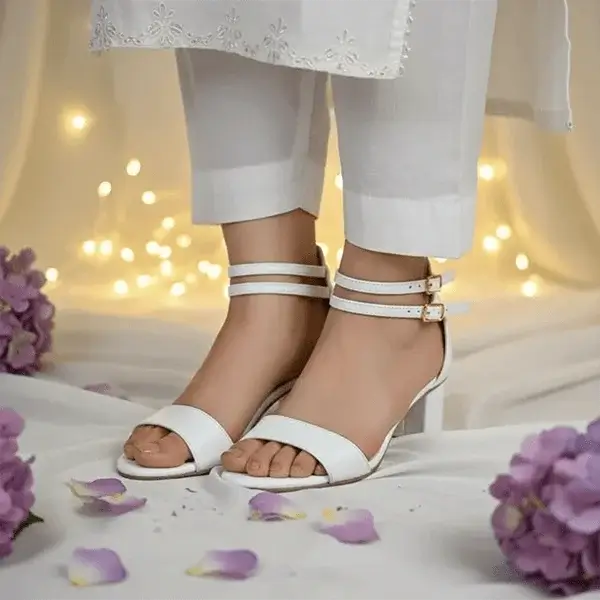
White footwear has a way of making outfits look intentional. While black sandals can feel heavy in warm weather, and bright colors can limit outfit options, white sandals sit in the sweet spot: crisp, modern, and neutral.
Key benefits of white sandals
- They go with almost everything. Denim, linen, bold prints, soft pastels, all-black outfits—white pairs nicely with them all.
- They instantly “lighten” an outfit. Especially helpful in summer when you want an airy, relaxed look.
- They can look casual or elevated. A white slide reads easy and sporty; a white strappy heel reads sleek and dressy.
- They’re timeless. Trends change (square toes, platforms, fishermans), but white as a color stays relevant.
Types of White Sandals (and When to Wear Each)
Choosing a style is less about what’s “in” and more about what fits your life. Below are the most common types of white sandals and how they typically perform.
1) White slides
Minimal effort, maximum wear. Slides are ideal for quick outings, travel days, and casual looks.
Best for: errands, pool days, casual brunch
Style tip: Pair with straight-leg jeans and a tucked-in tee for a clean, modern silhouette.
2) White strappy sandals
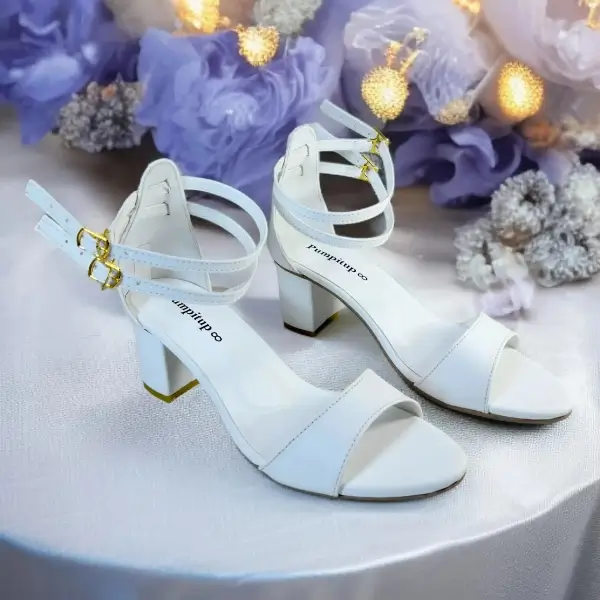
Strappy designs can look delicate and refined or bold and statement-making depending on strap width and hardware.
Best for: dinners, date nights, weddings, events
Style tip: If you wear patterned dresses often, thinner straps keep the look balanced.
3) White flat sandals (toe loop, T-strap, slingback)
Flats offer comfort without sacrificing style, especially in leather or a structured design.
Best for: sightseeing, summer work outfits, everyday wear
Style tip: A slingback flat feels more “finished” than an open-back flat.
4) White wedge sandals
Wedges give height with stability, making them a favorite for outdoor events.
Best for: garden parties, outdoor weddings, vacations
Style tip: Wedges pair beautifully with wide-leg trousers and maxi dresses.
5) White heeled sandals (block heel or stiletto)
For dressier moments, a white heel feels modern and clean.
Best for: events, nights out, formal summer outfits
Style tip: A block heel is easier for long wear and uneven surfaces.
6) White sport sandals
These are built for walking and support—think cushioned soles and adjustable straps.
Best for: travel, long walks, festivals
Style tip: Balance the sporty vibe with tailored shorts or a crisp shirt dress.
How to Choose the Best White Sandals (Fit, Material, and Details)

White sandals draw attention because of their brightness, so comfort and fit matter even more. Here’s what to look for before you buy.
Prioritize fit first (because straps can’t “forgive” much)
- Length: Your heel shouldn’t hang over the back edge.
- Width: If the footbed is narrow, your foot may spill over the sides (often uncomfortable and less flattering).
- Toe placement: Avoid styles where toes consistently hit the front edge—especially in hot weather when feet swell slightly.
Look for supportive construction
If you plan to walk a lot, choose features like:
- Cushioned footbeds (EVA foam, padded leather, or molded support)
- Arch support (especially in sport styles)
- Grippy outsoles (important on smooth floors)
Choose the right material (this affects comfort and cleaning)
Material is the difference between “easy to maintain” and “always looks scuffed.”
Leather (including smooth or pebbled)
- Pros: breathable, molds to your foot, often looks more expensive
- Cons: can show scuffs; needs occasional conditioning
- Best for: everyday elevated sandals, work-appropriate pairs
Faux leather / coated synthetics
- Pros: often easier to wipe clean; usually budget-friendly
- Cons: less breathable; can crack over time
- Best for: trend-forward styles you won’t wear daily for years
Rubber / EVA (common in slides)
- Pros: water-friendly, easy to rinse, great for travel
- Cons: can look more casual; may pick up dark transfer marks
- Best for: pool, beach, and low-maintenance wear
Fabric, canvas, or woven materials
- Pros: stylish texture; great for resort looks
- Cons: stains more easily; harder to deep clean
- Best for: occasional wear, vacation outfits
Pay attention to the shade of white
Not all white sandals are the same tone. You’ll see:
- Bright white: crisp and modern, but shows marks more quickly
- Off-white/ivory/cream: softer and often easier to keep looking “new”
Match the tone to your wardrobe: if you wear warm neutrals, ivory may blend better than stark white.
How to Style White Sandals (Outfit Ideas That Look Intentional)
The easiest way to style white sandals is to treat them as a neutral base—like white sneakers, but more breathable and warm-weather friendly.
White sandals with casual outfits
- Denim shorts + oversized button-down: clean, relaxed, vacation-ready
- Straight-leg jeans + tank + light cardigan: minimalist everyday uniform
- Midi skirt + simple tee: feminine and comfortable without feeling fussy
Style tip: repeat a light tone elsewhere
You don’t need to “match” your shoes, but echoing white in a tee, bag, sunglasses, or manicure makes the outfit look cohesive.
White sandals for work or smart-casual settings
If your workplace allows open-toe shoes, choose a structured style:
- Slingback flats with tailored trousers
- Low block heels with a midi dress
- Minimal straps with a linen suit in beige, navy, or charcoal
What to avoid for office looks
Very casual rubber slides or overly beachy styles can undercut an otherwise polished outfit.
White sandals for weddings and events
White sandals can be perfect for warm-weather events, as long as you consider the dress code and the location.
- Outdoor wedding: wedges or block heels (more stable than stilettos)
- Dressy evening: sleek strappy heeled sandals with minimal hardware
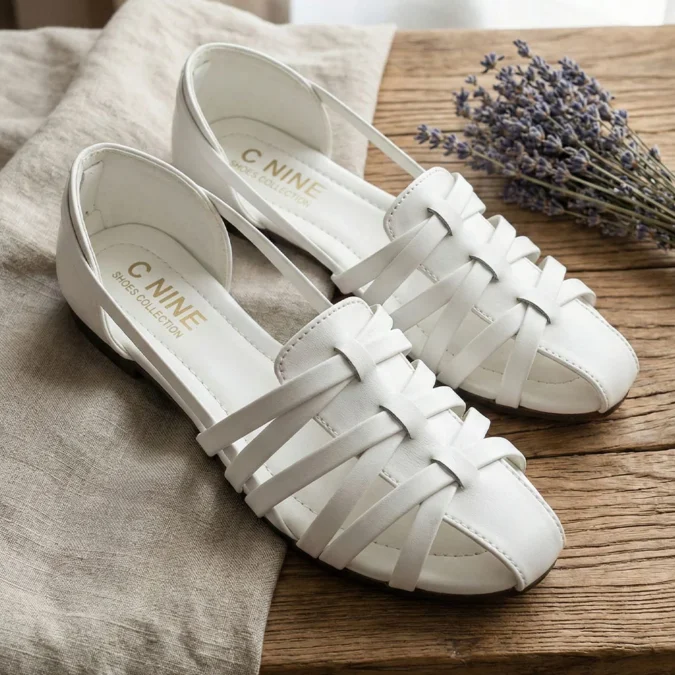
- Garden party: braided or textured white sandals add interest without overpowering
How to Clean White Sandals (Without Ruining Them)
Keeping white sandals looking new is mostly about quick maintenance. The longer dirt sits, the harder it is to remove.
Daily/weekly quick clean (works for most pairs)
- Dry brush first (soft brush or dry cloth) to remove dust and grit.
- Wipe with a damp microfiber cloth and a drop of mild soap.
- Air dry away from direct heat (no hairdryers or radiators).
Material-specific cleaning tips
Cleaning white leather sandals
- Use a slightly damp cloth and gentle soap.
- For scuffs, try a specialty leather cleaner or a very small amount of white eraser sponge (test first).
- Finish with a leather conditioner occasionally to prevent drying and cracking.
Cleaning white rubber/EVA slides
- Wash with warm water + dish soap.
- Use a soft brush around textured footbeds where dirt collects.
- For stubborn marks, a gentle baking soda paste can help (rinse thoroughly).
Cleaning fabric or woven white sandals
- Spot-clean only unless the brand says machine-washable.
- Use a small amount of mild detergent with water, blot gently, and let dry fully.
Prevention: the easiest way to keep them white
- Apply a protector spray appropriate for the material (especially for leather or fabric).
- Store sandals in a dust bag or box to reduce yellowing and dust buildup.
- Avoid rubbing against dark denim hems or new black pants, which can transfer dye.
Buying Tips: What Makes White Sandals Look Expensive?
If you want white sandals that look chic (not flimsy), check these details:
- Clean stitching and symmetrical straps
- Opaque straps (thin, see-through synthetic can look cheaper)
- A stable footbed that doesn’t warp easily
- Secure hardware (buckles that don’t wiggle, glued pieces that don’t lift)
Also consider practicality: if you’ll wear them often, investing in better materials usually saves money over time.
FAQs About White Sandals
1) Are white sandals hard to keep clean?
Not if you choose the right material and clean them regularly. Smooth leather, coated synthetics, and EVA are typically the easiest to wipe down.
2) What’s the best way to remove scuffs from white sandals?
Start with a damp microfiber cloth and mild soap. For leather, use a dedicated leather cleaner. For rubber soles, a gentle baking soda paste often works.
3) Can I wear white sandals to a wedding?
Yes—white sandals can be appropriate, especially with guest outfits in color or print. If you’re concerned, avoid anything that looks bridal (very delicate white lace-like straps or all-white outfits).
4) What nail polish colors look best with white sandals?
Classic neutrals (sheer pink, nude, milky white), bold red, coral, and deep berry all look great. White sandals also pair nicely with bright summer shades like turquoise.
5) Are white sandals flattering for wide feet?
They can be. Look for wider footbeds, adjustable straps, and styles labeled wide-fit. Avoid very thin straps that dig in; broader straps often feel and look better.
Conclusion: White Sandals Are a Smart, Stylish Staple
White sandals earn their place in a wardrobe because they’re versatile, timeless, and easy to style across casual and dressy settings. The key is choosing the right type for your lifestyle—slides for convenience, flats for everyday polish, wedges for outdoor events, or heels for evenings—then paying attention to material and fit so they stay comfortable.
With a simple cleaning routine and a few preventative habits, your white sandals can stay bright, crisp, and wearable season after season—making them one of the most reliable warm-weather shoes you can own.
