

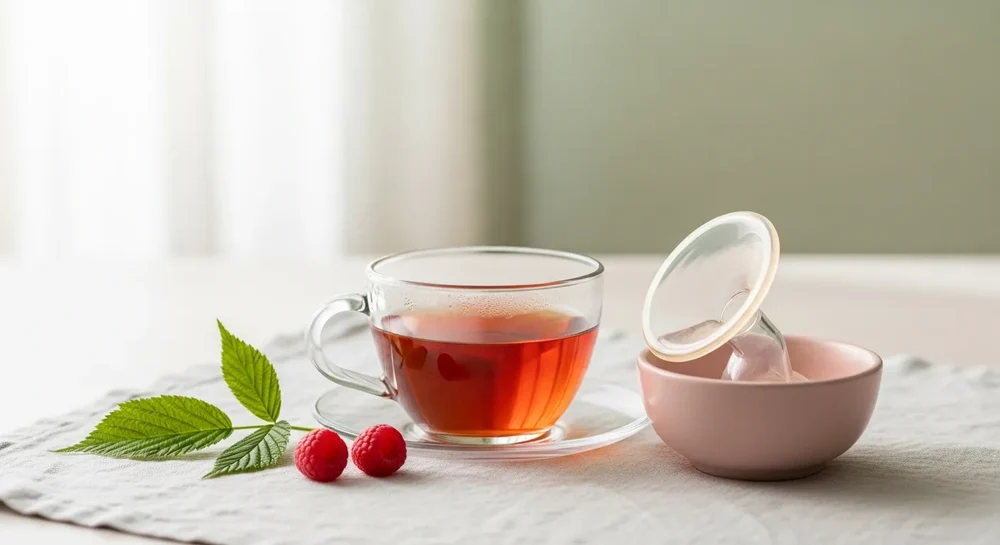
Raspberry leaf tea has a long-standing reputation as a gentle herbal staple—especially in traditional women’s wellness routines. Made from the leaves of the red raspberry plant (not the fruit), this earthy, mildly astringent infusion is often used for menstrual comfort, digestive support, and pregnancy preparation. Yet, it also comes with important nuances: when to drink it, how much to use, and who should be cautious.
This guide breaks down what raspberry leaf tea is, what it may help with, how to brew it well, and how to use it safely—so you can decide whether it fits your lifestyle and health goals.
What Is Raspberry Leaf Tea?
Raspberry leaf tea is a herbal tea (technically an infusion) made from dried leaves of the Rubus idaeus plant. Unlike many “berry” teas, it typically contains no berries at all—so it doesn’t taste fruity. Instead, the flavor is often described as:
- Mildly grassy or earthy
- Slightly tannic (similar to black tea but less intense)
- Smooth when brewed correctly (not over-steeped)
Because it’s naturally caffeine-free, raspberry leaf tea is commonly used as an evening tea or a daily wellness drink.
What’s in Raspberry Leaves? (Nutrients & Plant Compounds)
While herbal teas aren’t usually consumed for high vitamin content, raspberry leaves contain a mix of beneficial plant compounds. The exact profile varies by growing conditions and processing, but raspberry leaf is known for:
- Tannins (astringent compounds that can affect digestion and tissue tone)
- Flavonoids and polyphenols (antioxidant plant compounds)
- Minerals in trace amounts (often cited: magnesium, potassium, iron, calcium—though amounts in tea can be modest)
These compounds help explain why raspberry leaf tea has been traditionally used for digestion, menstrual support, and general toning.
Potential Benefits of Raspberry Leaf Tea
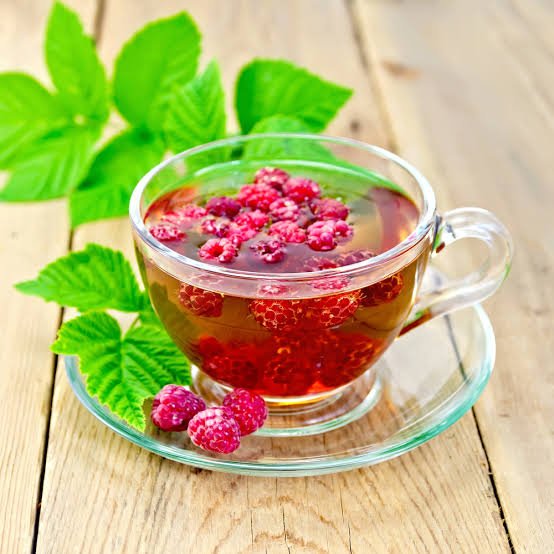
Research on raspberry leaf tea ranges from traditional use to limited modern clinical evidence, especially around pregnancy. Here’s what it may offer—along with a practical, balanced view.
Menstrual Comfort and Cycle Support
One of the most popular reasons people drink raspberry leaf tea is for menstrual cramps or cycle-related discomfort. Traditional herbalism often describes raspberry leaf as a “uterine tonic,” though that phrase can be interpreted in many ways.
Why people use it:
- To ease mild cramping
- To support a more comfortable cycle
- To reduce the feeling of pelvic heaviness some experience around menstruation
What to expect:
Some people notice subtle benefits after a few weeks of regular use, while others feel no difference. If cramps are severe, persistent, or worsening, it’s best to speak with a healthcare professional to rule out underlying conditions.
Digestive Support (Especially for Occasional Diarrhea)
The tannins in raspberry leaf can have an astringent effect, which is why the tea is sometimes used for:
- Occasional loose stools
- Mild digestive upset
Tip: If you’re using raspberry leaf tea for digestion, avoid steeping it too long. Over-steeping increases tannins and may irritate sensitive stomachs.
Antioxidant and General Wellness Support
Like many leafy herbs, raspberry leaves contain polyphenols that may help combat oxidative stress as part of an overall healthy lifestyle.
Important context:
Raspberry leaf tea isn’t a cure-all. Think of it as a supportive beverage—similar to other herbal teas—rather than a targeted treatment.
Pregnancy and Labor Prep (What We Know)
Raspberry leaf tea is famous for its association with late pregnancy. It’s often promoted for “labor preparation,” but evidence is mixed and not definitive.
What limited research suggests:
- Some studies have explored whether it may influence labor outcomes (like length of labor stages), but results are inconsistent.
- Safety appears generally acceptable for many people in late pregnancy, when used appropriately—yet “appropriate” differs by individual risk factors.
Key takeaway:
If you’re pregnant, do not start raspberry leaf tea without discussing it with your midwife or OB-GYN—especially if you have a history of preterm labor, bleeding, uterine irritability, or other complications.
How to Brew Raspberry Leaf Tea (Best Taste and Strength)
A good cup of raspberry leaf tea should taste smooth, not harsh. Over-steeping is the most common mistake.
Basic Brewing Method (Loose Leaf)
You’ll need:
- 1–2 teaspoons dried raspberry leaf
- 8–10 oz (240–300 ml) hot water
- Tea infuser or strainer
Instructions:
- Heat water to just below boiling (about 200–205°F / 93–96°C).
- Pour over the herb.
- Steep 7–10 minutes (start at 7 for a milder cup).
- Strain and drink.
Using Tea Bags
Tea bags are convenient, but potency varies widely by brand. Follow package directions, but generally:
- Steep 5–8 minutes
- Use two bags if you want a stronger infusion
How to Make a Stronger Infusion (When Desired)
For a more robust herbal infusion (common in traditional use):
- Use 1 tablespoon per 10–12 oz
- Steep 10–15 minutes with a lid on your cup
If the tea becomes too tannic, shorten the steep time rather than adding more sweetener.
How to Drink Raspberry Leaf Tea (Timing, Amount, and Taste Tips)
Typical Use for General Wellness
Many people drink 1 cup per day, or a few cups per week, as a gentle herbal routine.
Flavor Pairings (Without Overpowering the Herb)
Raspberry leaf tea pairs well with:
- A squeeze of lemon
- Honey or maple syrup
- Peppermint (for a fresher finish)
- Nettle leaf (for a “greener,” more mineral-forward blend)
If you want a fruitier taste, add a small amount of hibiscus or dried rose hips—but note that hibiscus can be tart and may not be suitable for everyone.
Side Effects, Interactions, and Who Should Avoid It
Even though raspberry leaf tea is “natural,” it can still affect the body.
Possible Side Effects
Some people may experience:
- Nausea or mild stomach upset
- Increased bowel movements (especially with strong infusions)
- Headache (rare, often related to dehydration or sensitivity)
Who Should Be Cautious
Check with a healthcare professional before using raspberry leaf tea if you:
- Are pregnant or trying to conceive (timing matters)
- Have a history of preterm labor, pregnancy complications, or uterine bleeding
- Are taking medications that affect hormones, blood clotting, or blood sugar
- Have chronic GI conditions where tannins may irritate symptoms
If you’re breastfeeding, it’s also wise to ask your provider—herbal safety depends on dose and individual factors.
Buying and Storing Raspberry Leaf Tea (Quality Matters)
What to Look for When Buying
Choose products that list:
- “Red raspberry leaf” (or Rubus idaeus) clearly
- Harvest/packaging details when possible
- Minimal additives if you want pure leaf
Organic options can reduce pesticide exposure, which is especially relevant if you drink it frequently.
Storage Tips
To preserve flavor and potency:
- Store in an airtight container
- Keep away from heat, light, and humidity
- Use within 6–12 months for best taste (it may last longer, but quality declines)
FAQs About Raspberry Leaf Tea
1) Does raspberry leaf tea taste like raspberries?
No. Raspberry leaf tea is made from the leaves, not the fruit. It tastes earthy and mildly astringent, not sweet or fruity.
2) Is raspberry leaf tea caffeinated?
No—raspberry leaf tea is naturally caffeine-free, which makes it a popular evening or wind-down tea.
3) Can I drink raspberry leaf tea every day?
Many people do, often 1 cup daily. If you’re sensitive to tannins or have digestive issues, start with a weaker brew and monitor how you feel.
4) Is raspberry leaf tea safe during pregnancy?
It depends on your health history and the stage of pregnancy. Some providers approve it in late pregnancy, while others recommend avoiding it. Always ask your OB-GYN or midwife before starting.
5) What’s the best way to make raspberry leaf tea less bitter?
Don’t over-steep it. Start with 7 minutes and adjust. Bitter tea usually means too much steep time or too much herb. Adding peppermint or a bit of honey can also smooth the taste.
Conclusion: A Simple Herbal Tea with Real-World Considerations
Raspberry leaf tea is a classic herbal infusion with a devoted following—particularly for menstrual comfort, gentle digestive support, and traditional pregnancy preparation. When brewed properly, it’s a pleasant, caffeine-free tea that can fit easily into a wellness routine.
The key is using it thoughtfully: choose good-quality leaves, avoid overly strong brews if you’re sensitive, and take special care if you’re pregnant, trying to conceive, or managing a medical condition. With the right approach, raspberry leaf tea can be a comforting, practical addition to your herbal pantry—balanced by informed, safety-first use.
